Radical Boundary Layer Aerodynamics
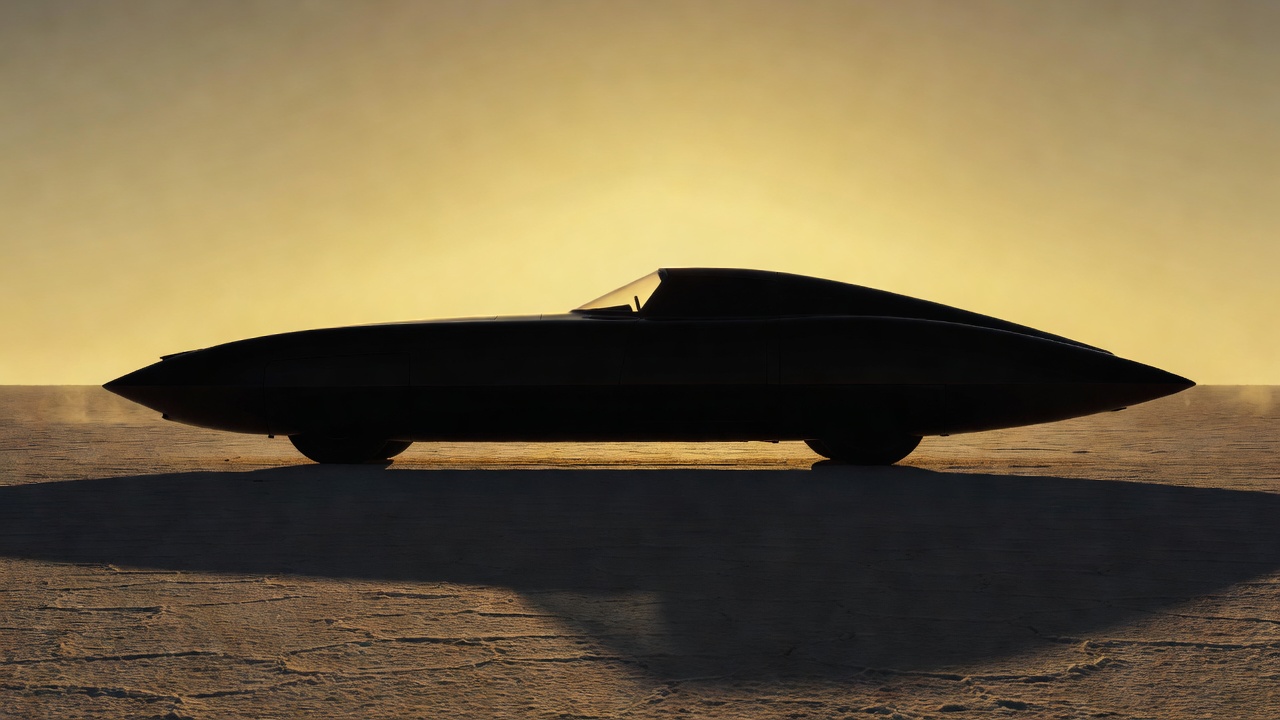
Examination of extreme wedge silhouettes, boundary-layer suction ducts, ground-effect tunnel skirts, and variable geometric stabilizers developed between 1968 and 1989.
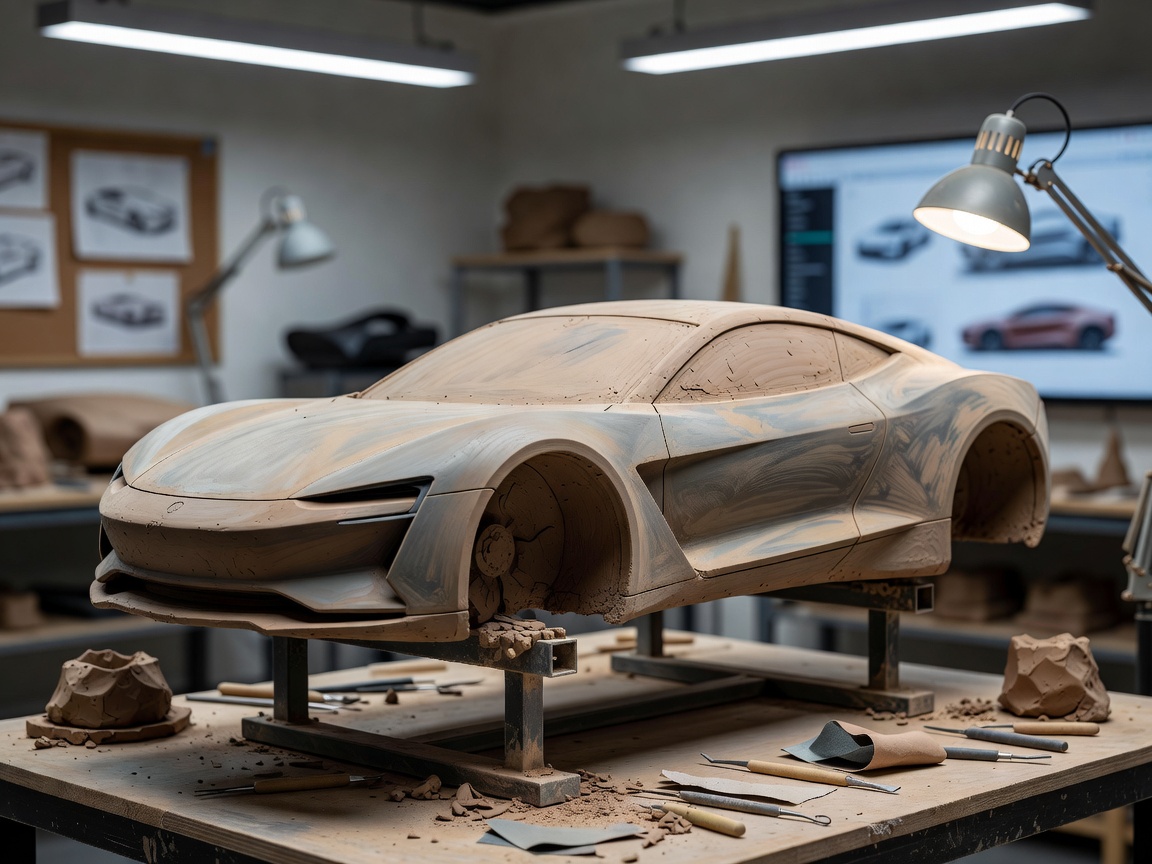
Inspect Aerodynamics →Automotive concept studies are rarely intended for assembly line manufacturing. They function instead as boundary markers, testing mathematical airflow theorems, unconventionally packaged drivetrains, and speculative cockpit ergonomics in full-scale physical forms.
Review Airflow Studies
Examination of extreme wedge silhouettes, boundary-layer suction ducts, ground-effect tunnel skirts, and variable geometric stabilizers developed between 1968 and 1989.
Inspect Aerodynamics →
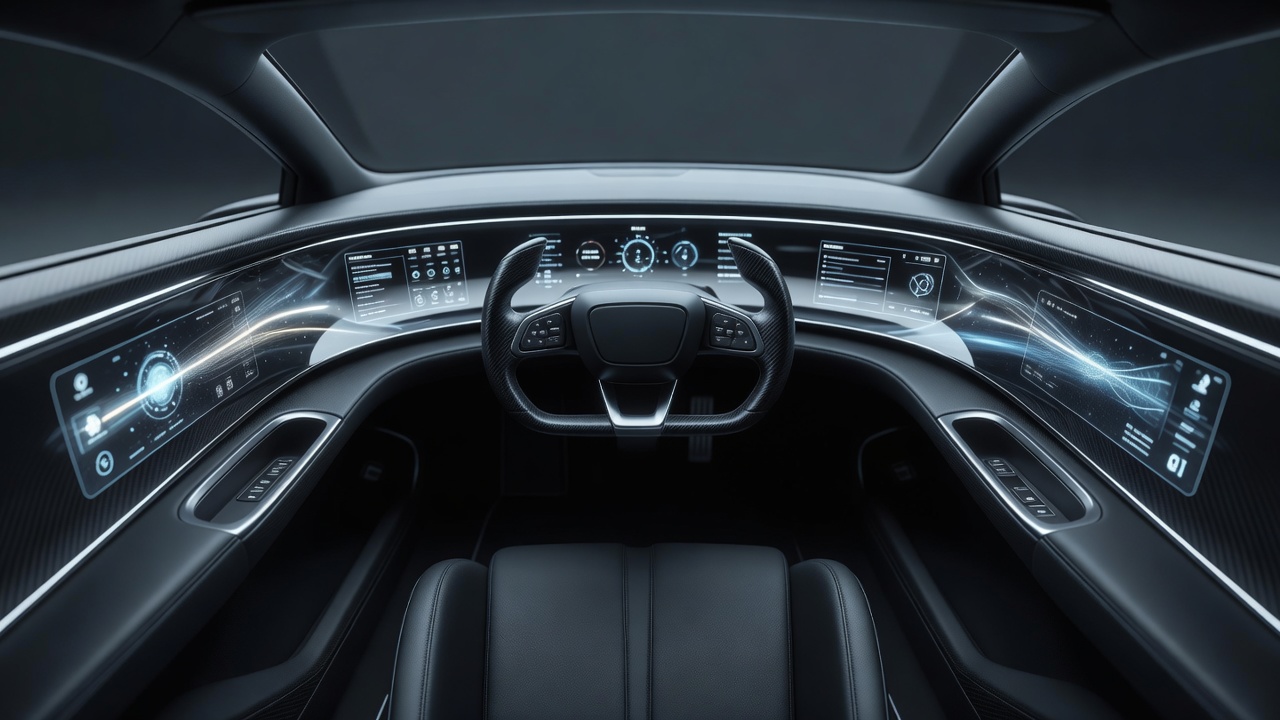
Deconstruction of center-mounted seating arrangements, aerospace flight yokes, cathode-ray telemetry instrument panels, and unified forward-tilting canopy glasshouses.
Inspect Cockpits →
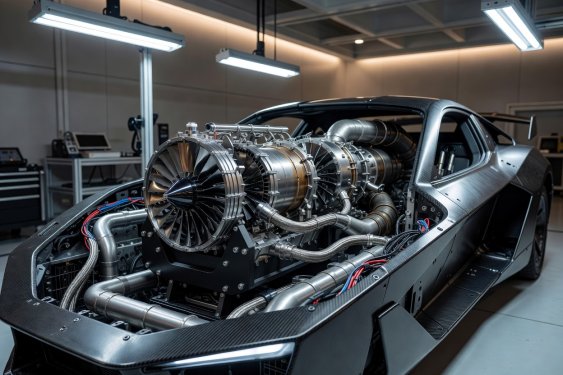
Technical records of kerosene gas turbines, multi-rotor Wankel assemblies, mid-chassis transverse V16 powerplants, and early electrochemical fuel cell testbeds.
Inspect Propulsion →
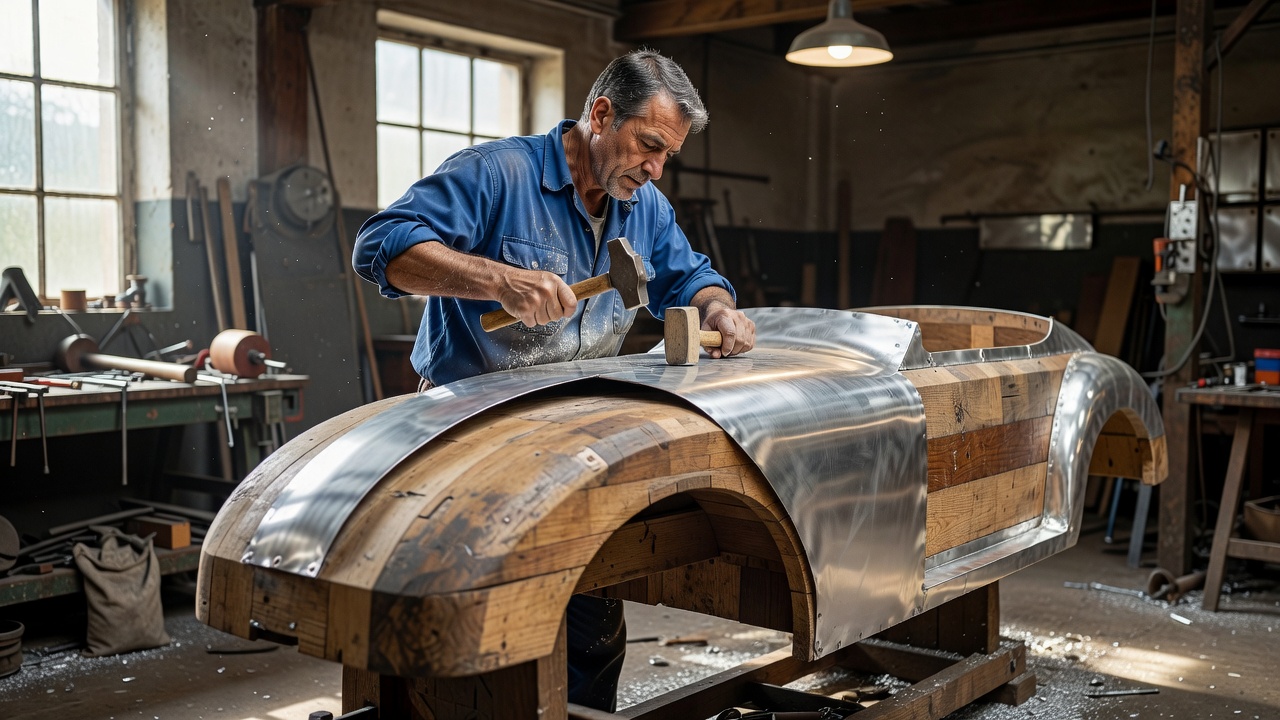
Analysis of hand-rolled alloy monocoques, modular interchangeable polymer shells, translucent resin panels, and early carbon-fiber prepreg architectures.
Inspect Coachwork →During the late 20th century, European styling houses such as Bertone, Italdesign, and Pininfarina moved away from curvaceous post-war coachbuilding toward pure geometric polyhedrons. Iconic test platforms like the Lancia Stratos Zero, Alfa Romeo Carabo, and Maserati Boomerang proved that mechanical running gear could be compressed under body lines under 40 inches in total vehicle height.
Before supercomputers could simulate turbulence vectors, prototypes used wool-tuft tests in full-scale facilities like the Pininfarina wind tunnel in Grugliasco. Today, unusual concepts frequently explore active morphing surfaces—bodywork with variable porosity and trailing-edge flaps that adjust under high aerodynamic loads.
Prototypes frequently isolated the driver in specialized capsules. The Lancia Sibilo used a solid steering wheel with tactile pressure pads, while the Citroën Karin placed all primary switchgear within finger reach along a central pyramid, eliminating the conventional console entirely.